
Senior Dentist & Full Mouth Rehabilitation Expert
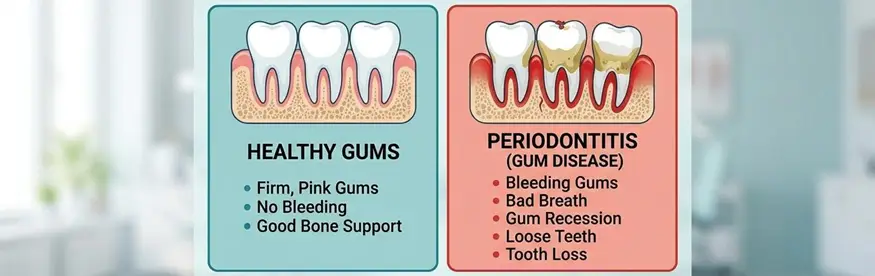
Most people believe that tooth loss is a natural part of aging. In reality, one of the leading causes of tooth loss worldwide is periodontitis, a serious gum infection that often develops silently and progresses without noticeable pain. Because the condition advances gradually, many individuals remain unaware of the damage occurring beneath their gums until their teeth become loose, difficult to chew with, or eventually fall out. This is why periodontitis is often referred to as the “silent disease” of dentistry.
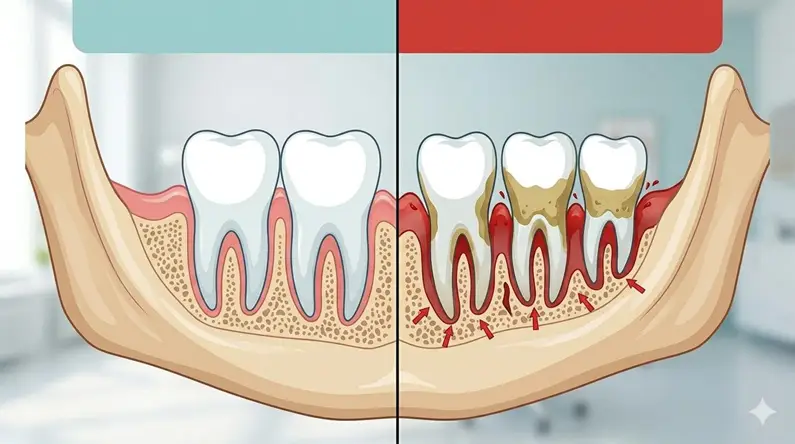
Periodontitis begins as gingivitis, an early stage of gum disease caused by the accumulation of bacterial plaque around the teeth and gums. At this stage, symptoms may be limited to mild redness, swelling, or bleeding while brushing. Unfortunately, many people ignore these warning signs because they do not experience significant discomfort. When left untreated, the infection penetrates deeper into the supporting structures of the teeth, including the gums, periodontal ligament, and jawbone. Over time, the body’s inflammatory response and bacterial activity lead to progressive bone loss, causing teeth to lose their natural support.
One of the most concerning aspects of periodontitis is that it can affect people of all ages. Poor oral hygiene, smoking, diabetes, genetic predisposition, stress, and certain systemic health conditions can significantly increase the risk of developing the disease. Patients may notice symptoms such as bleeding gums, persistent bad breath, gum recession, pus discharge, shifting teeth, gaps developing between teeth, difficulty chewing, and loose teeth. However, in many cases, substantial bone destruction has already occurred by the time these symptoms become obvious.
The impact of periodontitis extends far beyond the mouth. Scientific research has linked severe gum disease to various systemic health conditions, including cardiovascular disease, diabetes, respiratory infections, and adverse pregnancy outcomes. Chronic inflammation originating from the gums can contribute to inflammation elsewhere in the body, highlighting the importance of maintaining healthy gums as part of overall health and wellness.
As periodontitis progresses, patients often experience a gradual decline in their quality of life. Simple activities such as eating, speaking, and smiling become increasingly challenging. Loose teeth can make chewing painful and ineffective, leading to nutritional deficiencies and digestive issues. The aesthetic consequences of gum recession and tooth loss can also affect self-confidence, social interactions, and emotional well-being. What begins as a seemingly minor gum problem can eventually become a life-altering dental condition.
The good news is that periodontitis is both preventable and manageable when diagnosed early. Regular dental examinations, professional cleanings, proper brushing and flossing techniques, and timely treatment can help control infection and prevent irreversible damage. Advanced diagnostic tools such as digital radiographs and CBCT imaging enable dentists to evaluate the extent of bone loss and develop customized treatment plans. Depending on the severity of the condition, treatment may include deep cleaning procedures, periodontal therapy, surgical interventions, or comprehensive rehabilitation solutions.
For patients who have already lost teeth due to advanced periodontitis, modern implant dentistry offers a highly effective solution. Dental implants can restore function, aesthetics, and confidence while helping patients regain the ability to eat, speak, and smile comfortably. With proper treatment planning and maintenance, even patients with severe periodontal damage can achieve long-term oral rehabilitation and improved quality of life.
Periodontitis is a silent but destructive disease that should never be ignored. What starts as minor gum inflammation can gradually lead to severe bone loss, loose teeth, and eventual tooth loss if left untreated.
Early diagnosis and timely intervention are the keys to preserving natural teeth and maintaining lifelong oral health. If you notice bleeding gums, bad breath, gum recession, or loose teeth, seeking professional dental care as soon as possible can make a significant difference. Healthy gums are the foundation of a healthy smile, and protecting them is one of the most important investments you can make in your overall health and well-being.
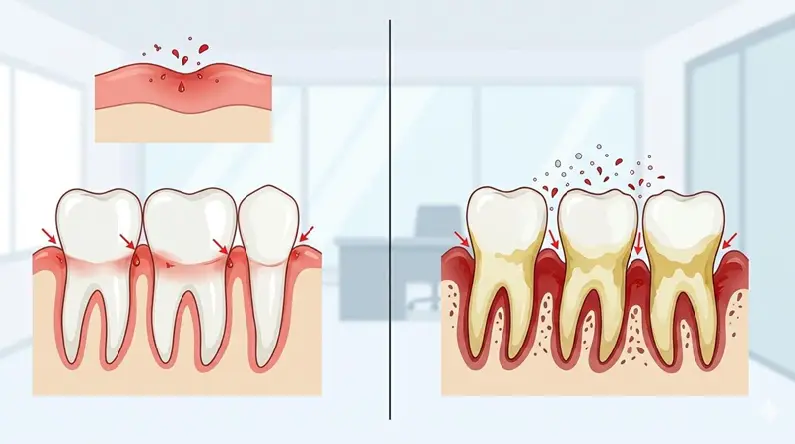
Periodontitis is an advanced form of gum disease caused by bacterial infection and inflammation of the tissues supporting the teeth. It affects the gums, periodontal ligament, and jawbone. If left untreated, it can lead to bone loss, tooth mobility, and eventually tooth loss.
Common early symptoms include:
These symptoms should never be ignored, as early treatment can prevent permanent damage.
Yes. Periodontitis is one of the leading causes of tooth loss in adults. The disease gradually destroys the bone and tissues supporting the teeth. As support decreases, teeth become loose and may eventually fall out or require extraction.
Not always. Many patients experience little or no pain during the early and moderate stages of the disease. This lack of pain is one reason why periodontitis is often called a "silent disease." Significant damage may occur before noticeable discomfort develops.
Several factors increase the risk, including:
Individuals with these risk factors should undergo regular dental checkups.
While the damage caused by advanced periodontitis cannot always be completely reversed, the disease can be effectively controlled and managed. Early treatment can stop progression, preserve remaining bone, and help maintain natural teeth for many years.
Dentists diagnose periodontitis through:
Accurate diagnosis is essential for successful treatment planning.
Treatment depends on severity and may include:
Yes. Even if teeth have been lost due to advanced periodontitis, dental implants can restore a confident smile and chewing function. Following a comprehensive evaluation, the diseased teeth are removed, the infection is eliminated, and dental implants are placed with immediate fixed teeth using CPBCCI Protocol.
The best prevention strategies include:
Prevention and early intervention remain the most effective ways to protect your gums, preserve your natural teeth, and maintain a healthy smile for life.


Senior Dentist & Full Mouth Rehabilitation Expert